Hickory Tree Removal in Reno, NV
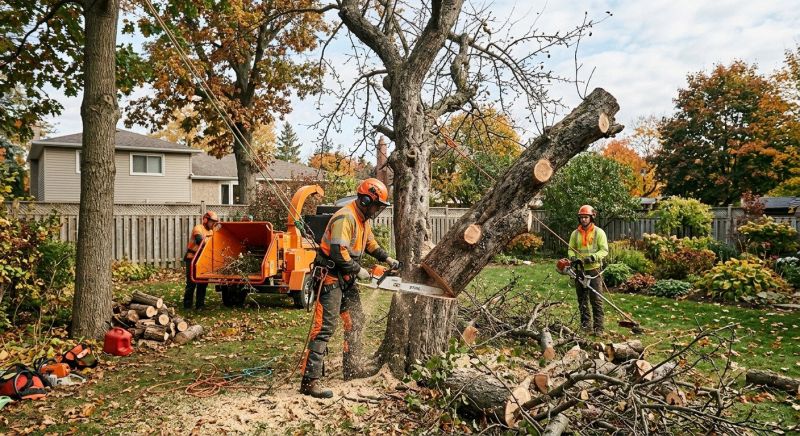
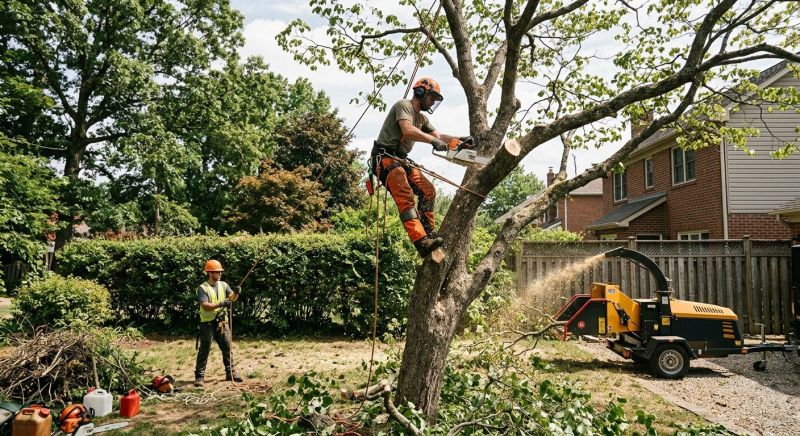
Hickory tree removal services involve the careful and efficient removal of unwanted or hazardous trees from residential properties. This process typically includes assessing the tree’s health and stability, planning the safest method of removal, and performing the work to minimize disruption to the surrounding landscape. Property owners often request tree removal for reasons such as disease, damage from storms, or to improve visibility and sunlight for lawns and gardens. These services can also include the removal of stumps and debris, ensuring the property remains safe and tidy after the project is complete.
Before requesting Hickory tree removal, property owners should consider the location of the tree, proximity to structures or power lines, and the overall condition of the tree. Understanding whether the tree poses a safety risk or obstructs views can help determine if removal is necessary. Additionally, it’s helpful to know if any permits are required for removal in the area and to discuss the desired outcome, such as complete removal or partial pruning, with the service provider. Proper planning ensures the project is completed efficiently and safely, aligning with the property’s needs and local regulations.
Many property owners in Reno, NV look into Hickory Tree Removal for repairs, replacements, upgrades, and appearance-related improvements.

Safe Tree Removal
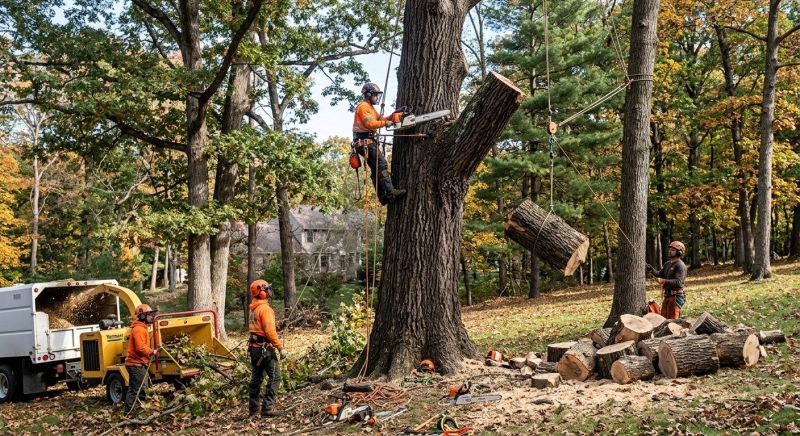
Removing hazardous or damaged trees to ensure property safety and prevent damage.
Property Enhancement
Clearing trees to improve landscape appearance and increase usable outdoor space.
Storm Damage Cleanup
Removing fallen or broken trees after storms to restore safety and accessibility.
Hickory Tree Removal in Reno, NV

Hickory tree removal services involve the careful and efficient removal of unwanted or hazardous trees from residential properties. This process typically includes assessing the tree’s health and stability, planning the safest method of removal, and performing the work to minimize disruption to the surrounding landscape. Property owners often request tree removal for reasons such as disease, damage from storms, or to improve visibility and sunlight for lawns and gardens. These services can also include the removal of stumps and debris, ensuring the property remains safe and tidy after the project is complete.
Before requesting Hickory tree removal, property owners should consider the location of the tree, proximity to structures or power lines, and the overall condition of the tree. Understanding whether the tree poses a safety risk or obstructs views can help determine if removal is necessary. Additionally, it’s helpful to know if any permits are required for removal in the area and to discuss the desired outcome, such as complete removal or partial pruning, with the service provider. Proper planning ensures the project is completed efficiently and safely, aligning with the property’s needs and local regulations.
Many property owners in Reno, NV look into Hickory Tree Removal for repairs, replacements, upgrades, and appearance-related improvements.
Common Hickory Tree Removal Jobs
Tree Removal - complete removal of hazardous or unwanted trees to improve property safety.
Stump Grinding - grinding down tree stumps to restore lawn space and prevent regrowth.
Emergency Tree Services - prompt response for storm-damaged or fallen trees blocking pathways.
Selective Tree Thinning - reducing tree density to promote healthy growth and reduce wind stress.
Tree Trimming - shaping and pruning trees to maintain safety and aesthetic appeal.
Land Clearing - removing multiple trees and brush to prepare land for development or landscaping.


Hickory Tree Removal Questions
Why should a tree be removed? Trees may need removal due to disease, damage, or to prevent safety hazards on the property.
What types of trees are commonly removed? Commonly removed trees include dead or dying trees, invasive species, or those obstructing structures or views.
Is stump grinding part of the removal process? Stump grinding is often included to eliminate the remaining root structure after the tree is cut down.
How can I tell if a tree is hazardous? Signs of hazard include large dead branches, leaning trees, or cracks in the trunk, which may require professional assessment.
Request Hickory Tree Removal in Reno, NV
Use the quote form on this page to share the basics of your project and request more information for the type of work you need.