Get Easement Tree Removal in Lubbock, TX
Easement tree removal services in Lubbock, TX, help property owners clear overgrown or obstructive trees to improve access, safety, and compliance with local regulations.
Property owners in Lubbock, TX, who are planning improvements or managing property boundaries may find that removing certain trees is a necessary step. Easement tree removal services can help ensure that trees do not interfere with utility lines, structures, or future construction projects. Exploring options for professional tree removal can provide peace of mind, knowing that the work will be handled safely and efficiently by experienced service providers familiar with local regulations and conditions.
Considering different local contractors for easement tree removal allows property owners to compare approaches and find the right fit for their specific needs. Whether clearing space for new landscaping, maintaining clear access along utility easements, or addressing safety concerns, connecting with nearby experts can support well-informed decisions. Keep reading to learn more about how these services can assist with your property projects in Lubbock.
- Property Line Easements - property owners may need tree removal services to maintain clear boundaries in neighborhoods like Lubbock's residential areas.
- Utility Easements - local contractors can assist when trees interfere with power lines or underground utilities in urban or suburban settings.
- Right-of-Way Clearing - municipalities and landowners might require tree removal to keep roads, sidewalks, or pathways accessible and safe.
- Access Easements - homeowners and businesses may seek tree removal to improve access across shared or restricted land areas.
- Agricultural or Ranch Easements - farmers and ranchers in rural regions may need services to manage trees that obstruct farming operations or fencing.
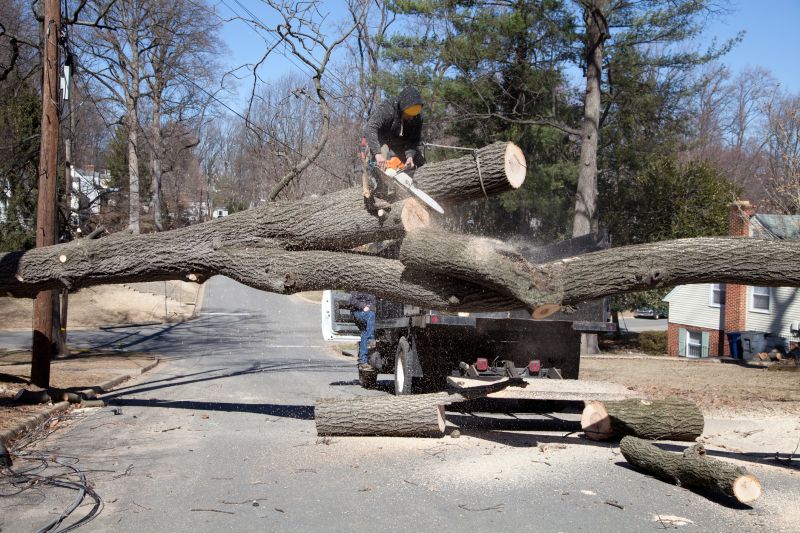
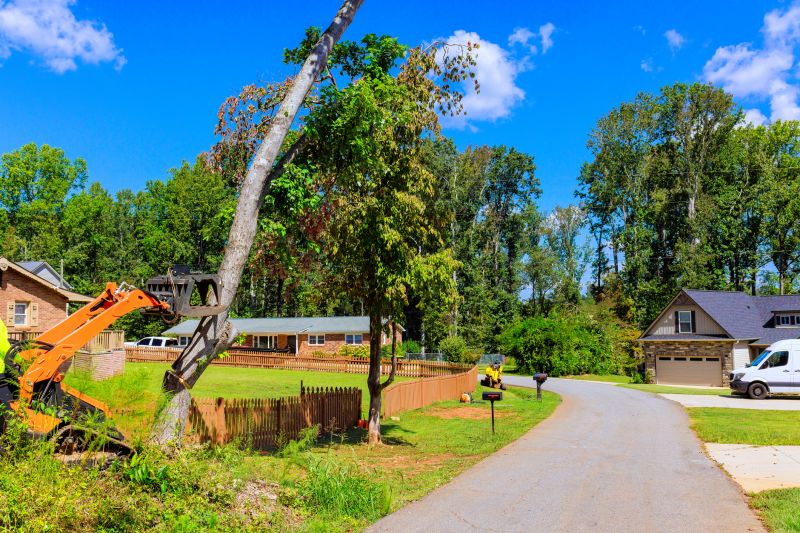
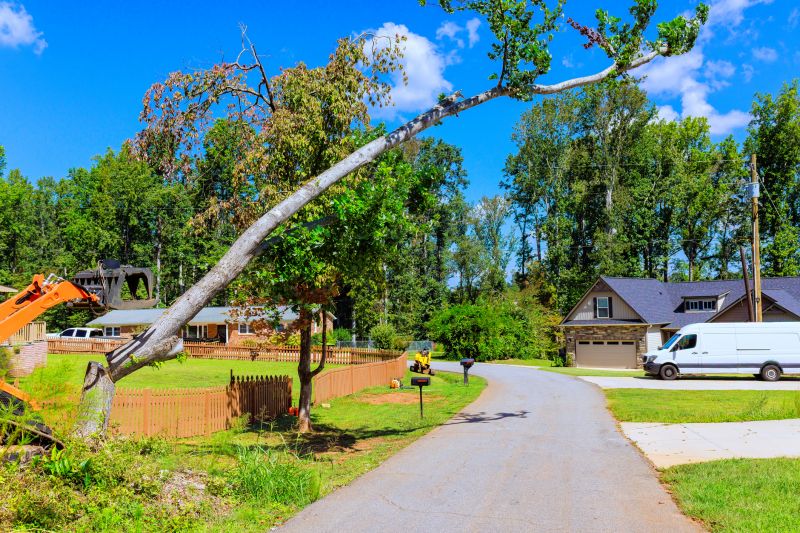
Easement tree removal services involve the careful cutting and removal of trees that are located on or near property lines, utility easements, or access rights. These projects often require specialized equipment and techniques to safely and efficiently remove trees that may be difficult to access or pose potential hazards. Service providers focus on minimizing disruption to surrounding landscapes while ensuring the tree is removed in a controlled manner. This type of work is essential for maintaining clear property boundaries, preventing damage to nearby structures, and ensuring safe access along utility corridors.
Many property owners seek easement tree removal to address specific problems such as overgrown or dead trees that threaten power lines, fences, or driveways. Trees that are leaning dangerously or show signs of disease can also create safety hazards or lead to property damage if they fall. Clearing problematic trees from easements or boundaries can prevent costly repairs and reduce liability risks. Additionally, removing trees that interfere with construction or landscaping plans can help property owners maintain the aesthetic and functional aspects of their land.
This service is commonly used on residential properties, especially those with large lots or properties adjacent to utility lines. Commercial properties, farms, and land development projects may also require easement tree removal to ensure safe access and compliance with local regulations. Properties situated near power lines, roadways, or shared fencing are typical candidates for this work. Homeowners and property managers often seek these services when they notice problematic trees that could cause outages, block visibility, or hinder maintenance activities.
When trees on a property pose safety concerns or interfere with property use, contacting local contractors who specialize in easement tree removal can provide a practical solution. These professionals are equipped to handle the challenges of working in tight or difficult-to-access spaces, ensuring the job is completed safely and efficiently. By choosing experienced service providers, property owners can address their tree-related issues effectively, helping to protect their property, improve safety, and maintain the overall appearance of their land.
The overview below groups typical Easement Tree Removal projects into broad ranges so you can see how smaller, mid-sized, and larger jobs often compare in Lubbock, TX.
In many markets, a large share of routine jobs stays in the lower and middle ranges, while only a smaller percentage of projects moves into the highest bands when the work is more complex or site conditions are harder than average.
Smaller Jobs - Typically, removing a single or a few small trees near utility lines or structures can cost between $250 and $600. Many routine projects fall within this range, depending on the tree size and location.
Moderate Projects - For larger trees or multiple trees requiring partial removal, costs usually range from $600 to $1,500. These projects are common for homeowners managing overgrown or hazardous trees in their yards.
Complex or Large-Scale Jobs - Larger, more complex projects involving multiple mature trees or difficult access can reach $1,500 to $3,000. Fewer projects fall into this tier, typically involving significant equipment or safety considerations.
Full Removal and Land Clearing - Complete removal of extensive tree stands or land clearing can cost $3,000 or more, with larger projects potentially exceeding $5,000. These are less frequent but necessary for major property renovations or development projects.
Actual totals will depend on details like access to the work area, the scope of the project, and the materials selected, so use these as general starting points rather than exact figures.
Utility Line Clearing - professionals use similar tree removal skills and tools to clear pathways for power, water, or communication lines in easement areas.
Storm Damage Tree Cleanup - local contractors handle hazardous limb removal and debris clearing, requiring planning and equipment comparable to easement tree removal.
Land Clearing for Construction - this project involves removing trees and brush to prepare land, utilizing planning and machinery similar to easement tree services.
Tree Trimming and Pruning - precise trimming to maintain tree health and safety shares techniques and equipment with easement tree removal tasks.
Fence Line Clearing - clearing trees and brush along property boundaries involves similar planning and tools used in easement tree removal projects.
Brush and Overgrowth Removal - clearing dense vegetation in restricted areas requires skills and equipment comparable to those needed for easement tree work.
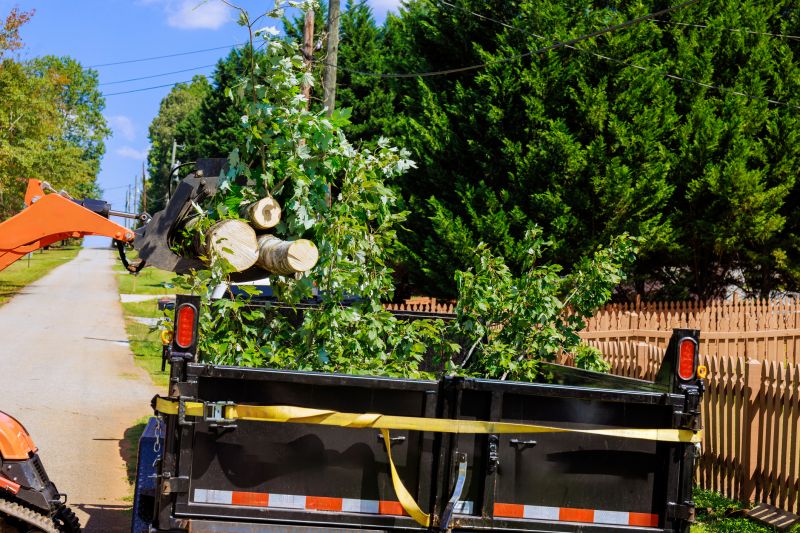
When selecting a contractor for easement tree removal, it’s important to consider their experience with similar projects. Homeowners should look for service providers who have a proven track record of handling tree removal tasks comparable to their specific needs. Asking about the types of trees they’ve worked on and the complexity of past projects can help gauge their familiarity with local conditions and challenges. An experienced contractor is more likely to understand the intricacies involved in safely and effectively removing trees within easements, ensuring the job is completed properly and with attention to detail.
Clear, written expectations are essential when comparing local contractors. Homeowners should seek providers who can offer detailed descriptions of their scope of work, including the methods they plan to use and any potential limitations. Having these expectations documented helps prevent misunderstandings and ensures everyone is aligned on what will be done. It’s also beneficial to ask for a written outline of the project timeline, cleanup procedures, and any other relevant details to confirm that the service provider’s approach matches the homeowner’s priorities.
Reputable references and good communication are key factors in choosing a reliable contractor. Homeowners should inquire about references from previous clients who had similar easement tree removal work completed. Speaking with past customers can provide insights into the contractor’s professionalism, reliability, and quality of work. Additionally, service providers who demonstrate clear, prompt, and transparent communication tend to be easier to work with and more responsive to questions or concerns. Since this site introduces homeowners to local options, it’s recommended to gather as much information as possible about each contractor’s reputation and communication style before making a decision.
Property owners in Lubbock, TX use Easement Tree Removal services for practical projects around their homes and businesses. This guide focuses on everyday jobs and straightforward project options.
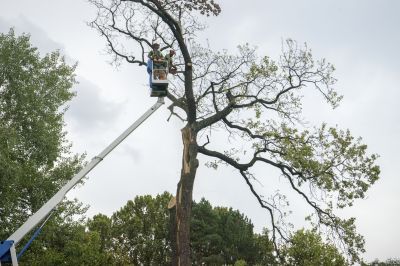
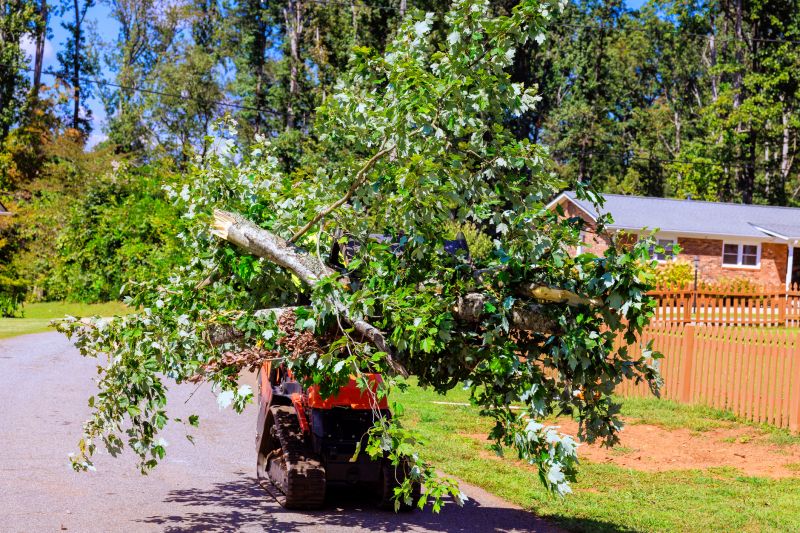
Easement tree removal services are often needed when property owners in Lubbock, TX, want to clear space along utility lines, driveways, or property boundaries. Overgrown trees and branches can interfere with power lines or create obstacles that make routine maintenance difficult. Local contractors can help safely remove trees or branches that pose a risk to infrastructure or hinder access, ensuring that the property remains safe and accessible.
Additionally, homeowners and landowners may seek easement tree removal when preparing for construction projects or land development. Removing problematic trees can prevent future damage to structures or utilities and improve overall property appearance. Service providers in the area can assist with assessing which trees should be removed and handling the work efficiently to meet the specific needs of each project.
What is easement tree removal? Easement tree removal involves the professional removal of trees that are located within utility or property access rights, ensuring they do not interfere with infrastructure or property use.
Why might I need easement tree removal services? You may need easement tree removal if trees are growing too close to power lines, underground utilities, or other structures, posing safety or access concerns.
How do local contractors handle easement tree removal? Local contractors typically assess the site, determine the safest removal methods, and execute the job carefully to prevent damage to nearby utilities or structures.
Are there regulations or permits required for easement tree removal? Regulations and permit requirements vary by location; local service providers can help determine what’s needed based on local codes and property rights.
What should I consider when choosing a contractor for easement tree removal? Consider the contractor’s experience, reputation, and ability to safely handle trees near utilities and property boundaries in your area.
Improve Yard Safety - Removing overgrown or damaged trees near utility lines can help prevent accidents and ensure safe outdoor spaces.
Enhance Property Value - Clearing obstructive or dead trees can make a home more attractive to potential buyers and improve curb appeal.
Create More Sunlight - Removing certain trees can increase natural light in indoor and outdoor areas, making spaces feel brighter and more inviting.
Prepare for Landscaping Projects - Clearing trees can provide a clean slate for new landscaping, garden beds, or outdoor living features.
If you are thinking about Easement Tree Removal for a property in Lubbock, TX, this guide is meant to help you understand the work, the typical project types, and how different options might fit your plans.
When you are ready, you can use the quote form on this page to share a few details about your project. From there, local pros can review the basics and respond with options that match what you have in mind.